
Site supervision for road construction
Two day online course on supervision of road construction projects in South Africa, presented by Jan Bierman.
Presenter has 30 years experience in site supervision of roads.
Select your programme

Two day online course on supervision of road construction projects in South Africa, presented by Jan Bierman.
Presenter has 30 years experience in site supervision of roads.
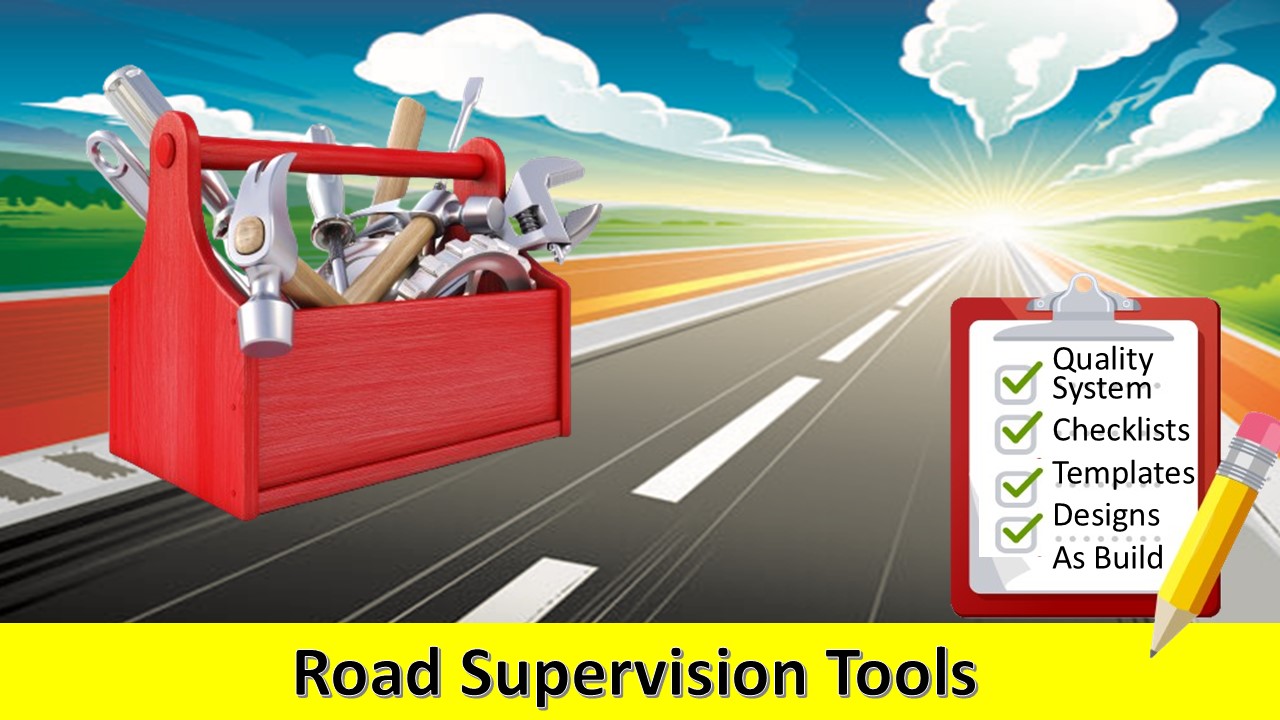
Site supervision for roads in a nutshell. Basic principals is highlighted with example of basic calculations used on construction sites. A comprehensive course that cover the basic aspects of road site supervision.
Certificates for successful completions of all mentorship program modules/courses:
Profile of Evidence Certificate: Level 1 (12 months, project #1)
Competent Road Supervisor Certificate: Level 2 (24 months, projects #2)
Advanced Road Supervisor Certificate: Level 3 (36 months, projects #3)
Master Road Supervisor Certificate: Level 4 (48 months, projects #4)
Understand exactly who is responsible for what on a road contract, and read drawings, specifications and site documents with confidence instead of guessing. It is the grounding that lets you hold your own with the engineer, the contractor and the client from your first week on site.
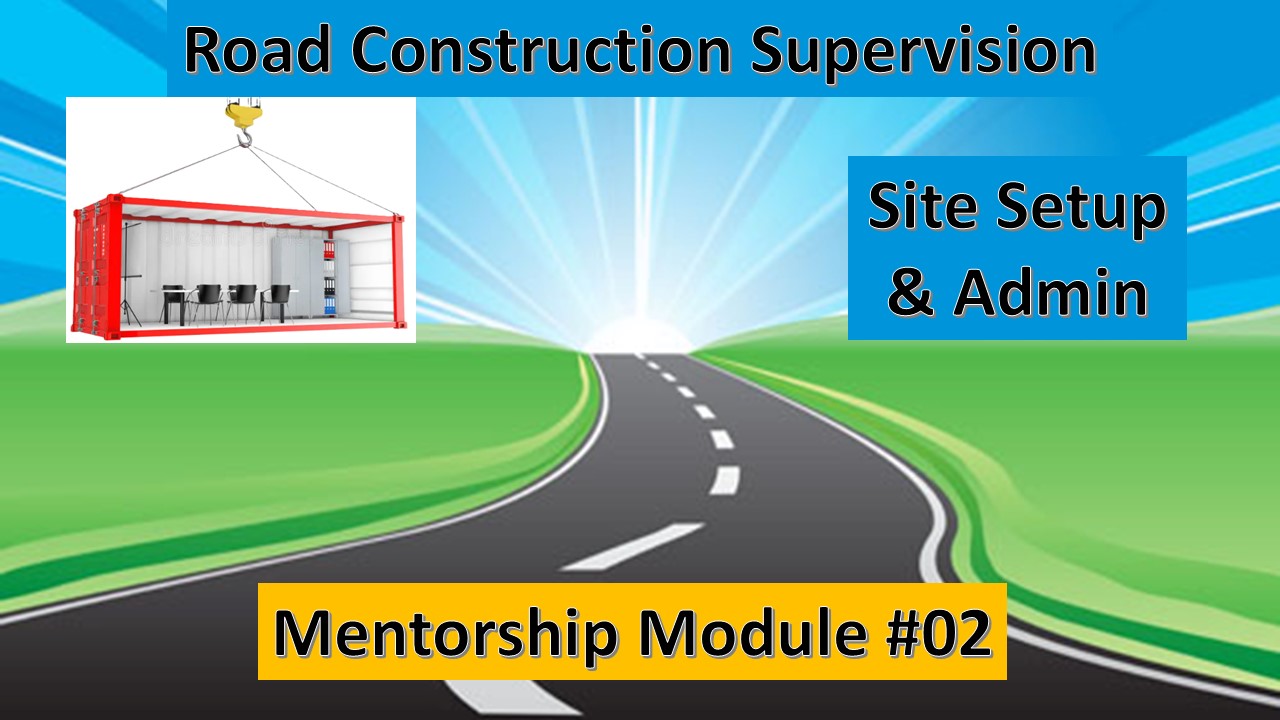
Set up a site office, laboratory, filing system and communications network that runs itself, with diaries, instructions and RFIs recorded properly from day one. Good site records protect you when claims and disputes arrive, and they are the evidence assessors look for when you apply for professional registration.

Work with local leaders, community structures and SMMEs without the project grinding to a halt. Handling community pressure calmly is one of the rarest skills on a road project, and one that gets supervisors trusted with bigger contracts.
Build and run a quality control plan, write inspection requests that leave no room for argument, keep the register up to date and investigate failures properly. Being the person whose quality records stand up to scrutiny is what moves you from checker to trusted quality controller.
Recognise the 16 most common safety failures on road and bridge sites, and know your duties and legal liability under the OHS Act. Safety competence is non-negotiable for anyone left in charge of a site, and it protects your workers, your employer and your own career.
Plan and supervise traffic accommodation, half-width construction and day or night closures, and handle accident reports correctly when things go wrong. Traffic is where supervisors are most often caught out, so getting it right marks you as someone who can be left in charge.

Mark out, inspect and sign off potholes and small surface repairs to a standard that lasts, with quality control you can defend. Patching is often a new supervisor's first solo responsibility, and doing it well is how bigger work follows.

Set out and check benchmarks, grids and levels yourself, so you can pick up a survey error before it turns into a claim. Being able to verify levels independently gives you real authority on site, and the practical assessment gives you proof of it.

Locate and protect existing services and get way leaves in place before the excavator arrives. A single avoided service strike pays for the course many times over, and shows the kind of foresight that gets supervisors promoted.

Supervise pre-cast and in-situ culverts, inlets and outlets, and understand the drainage thinking behind where the water goes. Knowing why a structure is placed where it is turns you from someone who follows drawings into someone who can make engineering decisions.

Inspect formwork, reinforcing and concrete placement with the eye of a supervisor who knows what fails and why. Concrete work is unforgiving and stays visible for decades, so competence here builds a reputation faster than almost anything else on site.

Identify materials, read test results, inspect the roadbed and pick up soft spots before they are covered over. Earthworks sets the standard for every layer above it, and supervisors who genuinely understand materials are the ones engineers keep on their teams.

Supervise gravel, crushed stone, cement-stabilised and bitumen-stabilised layers, from bag calculations and mix designs through to evaluation, approval and payment. This is the heart of road construction and the largest course in the programme, so it carries real weight towards professional registration.
Supervise open drains, stone pitching, kerbs, channels, concrete side drains and subsoil drains, from design intent through to final quality. Drainage decides whether a road survives its first heavy season, and supervisors who get it right are remembered for it.

Supervise primes, fog sprays, crack seals, slurries, rubber seals and seal designs, and understand the binder and surface tests behind each one. Seal work is specialised, well paid and short of people who truly understand it, which makes this one of the strongest additions to your CV.
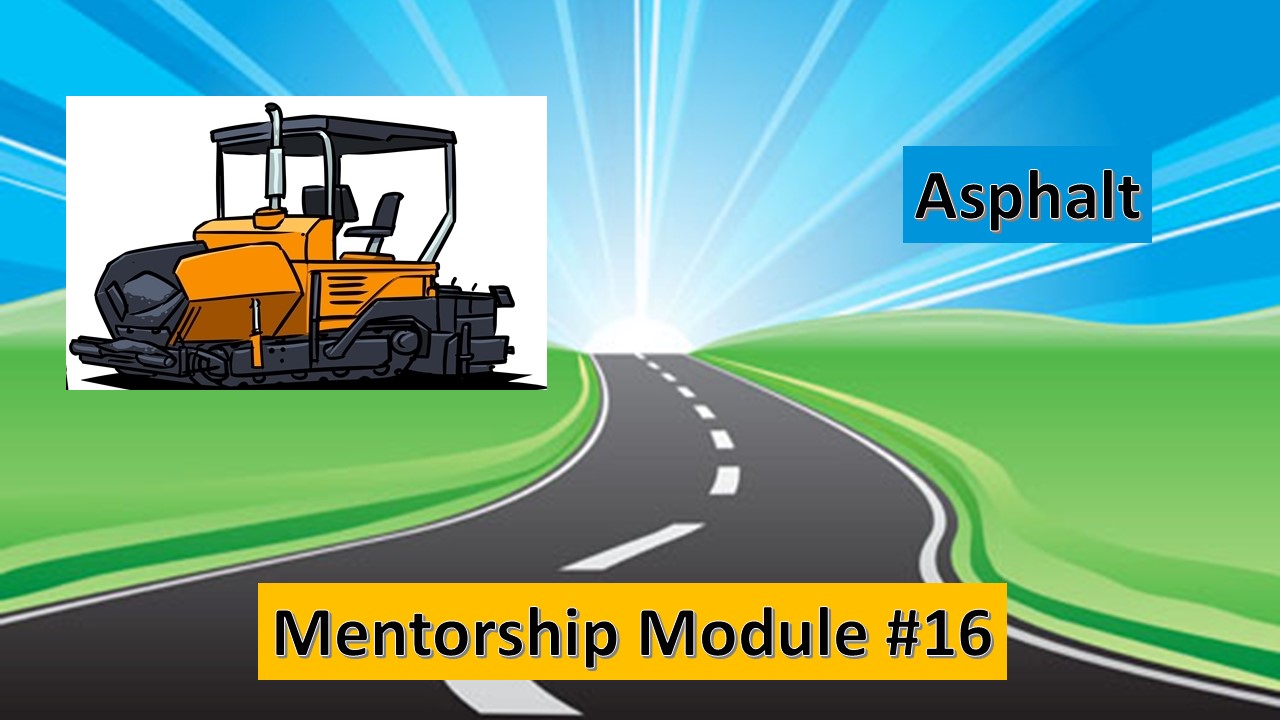
Follow asphalt all the way through, from mix design to laying surface and base, and on to evaluation and payment. Supervisors who can hold their own on a mix design and a payment assessment are among the most sought-after people on any contract.
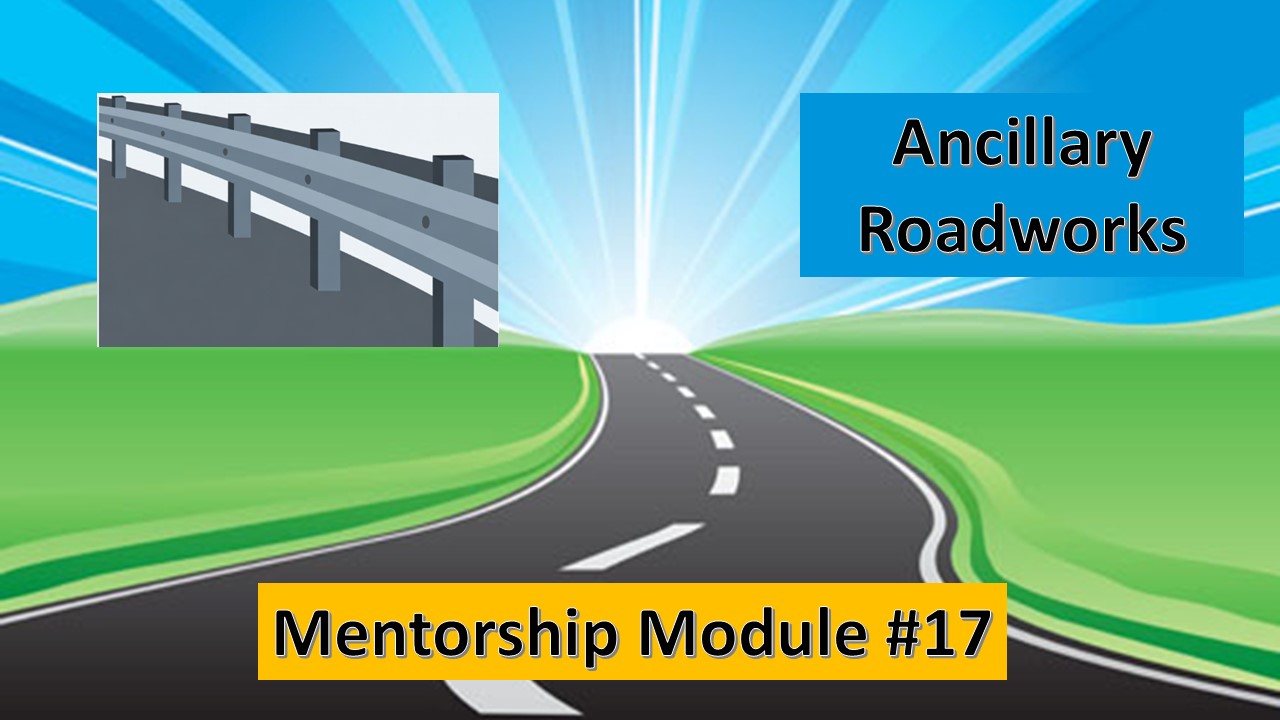
Supervise block paving, gabions, guardrails, fencing and road signs to specification, while keeping teams, production and quality on track. These are the items the client inspects last and remembers longest, so getting them right is how you finish a project well.
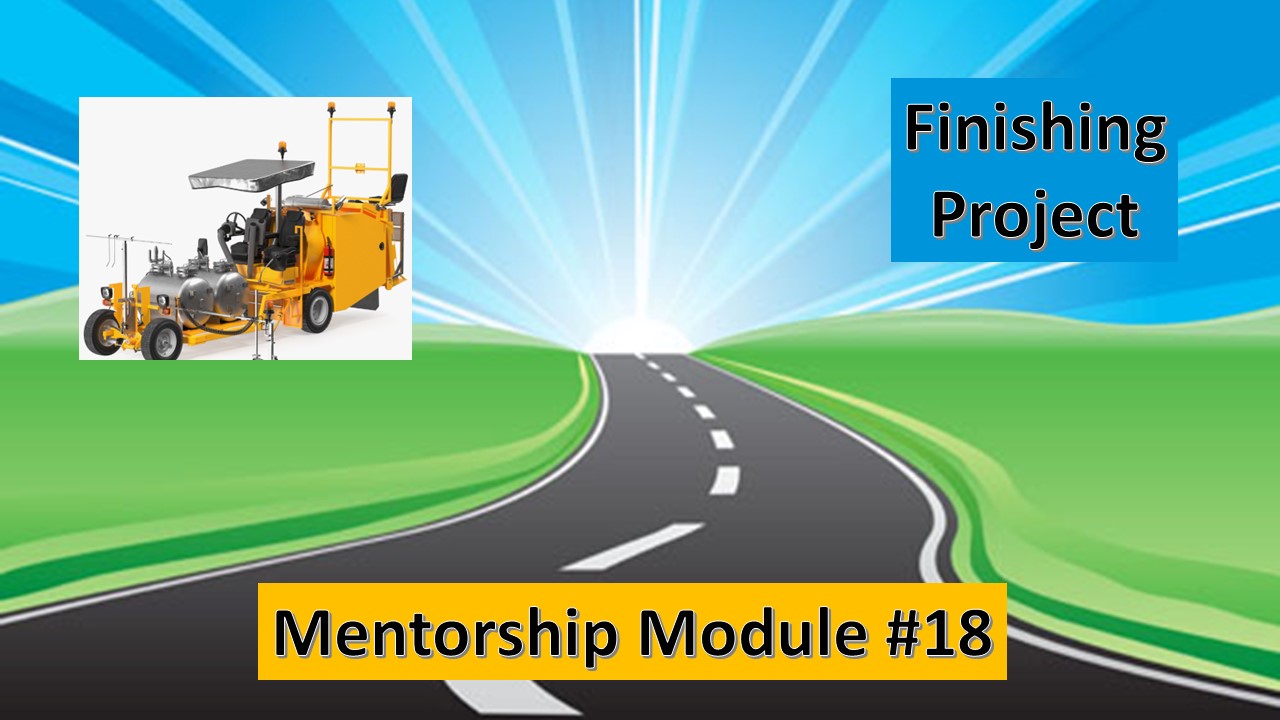
Inspect road studs, line marking, landscaping and access roads, then compile the snag list, complete the as-builts and write the completion report. Closing a project out cleanly is what clients remember when the next contract is awarded.

Check and approve payment certificates, measurement sheets, escalation calculations and material-on-site claims, and price activities yourself. Supervisors who understand the money side move into contract and project management far faster than those who do not.

Resolve disputes and technical problems, evaluate programmes and claims, and prepare variation orders with reports and motivations that hold up. This is Resident Engineer-level work, and it is the step between supervising a section and running a site.
Supervise piling, foundations, substructures, decks, pre-stressing, joints, bearings and retaining walls, with the design concepts and calculations behind them. Structures experience is the strongest card in a road professional's CV and the most valuable towards professional registration.
Manuals, guidelines, drawings and other resources for Road Design, Construction and Supervision.